In the realm of securing vast properties, cost-effective fencing solutions are not just an option—they’re a strategic necessity. This guide provides a curated itinerary for homeowners and property managers seeking to enhance their spaces without breaking the bank. We’ll delve into assessing your unique property needs, exploring a range of cost-efficient fence types, and offering installation tips to ensure longevity and maximize savings. Additionally, we’ll uncover maintenance strategies tailored to preserve your investment, ensuring that your new fence remains a robust and affordable boundary for years to come.
- Assessing Property Needs for Fencing Solutions
- Exploring Cost-Efficient Fence Types
- Installation Tips for Longevity and Savings
- Maintenance Strategies to Preserve Your Investment
Assessing Property Needs for Fencing Solutions
When it comes to securing large properties, cost-effective fencing solutions are a popular choice for several reasons. Assessing your property’s unique needs is the first step in finding the right fence. Every landholding has distinct characteristics—from its topography and surrounding environment to security requirements and aesthetic preferences. Understanding these elements ensures that your fencing investment offers both functionality and value.
One key consideration is the size and layout of your land. For expansive properties with varied terrain, customizable fencing options are ideal. These solutions allow for adaptable designs, accommodating hills, valleys, or other natural features. For instance, post-and-rail fences can be installed in a serpentine pattern to follow uneven ground, providing both security and visual appeal. On the other hand, a linear, high-visibility fence might better suit a flat, open field, deterring intruders and enhancing property lines.
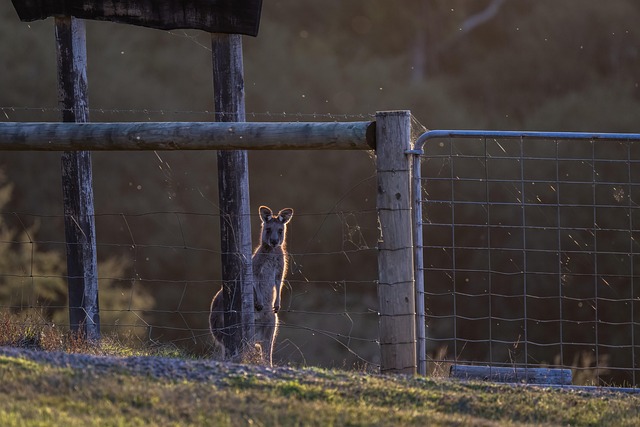
Environmental factors play a significant role as well. Properties adjacent to forests or wilderness areas may require wildlife-resistant fences to prevent animal intrusion. In such cases, electric fencing or specific mesh designs that deter critters are worth considering. Additionally, climate considerations are essential; durable materials like galvanized steel or vinyl can withstand harsh weather conditions, ensuring your fence remains functional and attractive over time.
Exploring Cost-Efficient Fence Types
Large properties present unique challenges when it comes to fencing. While aesthetics are important, cost-effectiveness is a primary concern for homeowners and land managers. This section explores several cost-efficient fence types suitable for expansive spaces, highlighting their benefits, applications, and longevity.
One of the most popular and economical options is chain link fencing. Known for its strength and durability, this versatile fence type is ideal for securing large perimeters. It’s particularly effective in areas requiring high security or where visibility is a priority. While it may lack the aesthetic appeal of other options, chain link offers significant savings compared to wood or vinyl, especially when covering vast distances. Additionally, its simplicity makes installation relatively quick and straightforward.
Wooden post-and-rail fences represent another cost-effective solution, particularly for properties with more moderate security needs. This style utilizes durable, rot-resistant woods like cedar or pressure-treated pine, ensuring longevity even in harsh weather conditions. While the initial investment may be higher than chain link, wooden fences offer a classic aesthetic that enhances property value. Moreover, their modular design allows for easy replacement of damaged sections, minimizing maintenance costs over time.
For those seeking both cost savings and an eco-friendly option, recycled plastic fencing is a game-changer. Made from repurposed materials, these fences are incredibly durable and resistant to rot, rust, and fading. They require minimal maintenance and can last for decades with proper care. Although initially more expensive than traditional wood or chain link, recycled plastic fences offer significant long-term savings due to their durability and low replacement costs.
Installation Tips for Longevity and Savings
When it comes to fencing large properties, cost-effectiveness is a top priority for many property owners. To ensure longevity and save money, proper installation techniques are crucial. Here’s a breakdown of expert tips for installing durable fences that stand the test of time while keeping costs under control.
One of the most effective ways to reduce long-term expenses is to choose fencing materials wisely. Opting for low-maintenance options like vinyl or composite fencing can significantly cut down on repair and replacement costs compared to traditional wood. These materials are resistant to rot, pests, and harsh weather conditions, ensuring your fence remains strong and attractive over time. For instance, a well-maintained vinyl fence can last 25 years or more with minimal upkeep.
Proper installation is key to maximizing the lifespan of any fence. Begin by preparing the ground, ensuring it’s level and compacted. This foundation is critical for preventing post tilt and uneven fence alignment. Next, use concrete to set posts firmly in place, allowing adequate time for curing. Consider using galvanized or powder-coated hardware for added durability against rust and corrosion. Additionally, pre-assemble sections of the fence before installation to ensure precise fitting and reduce on-site errors.
Regular cleaning and inspection are essential maintenance practices that contribute to cost savings. Keeping your fence clean removes debris and dirt that can cause damage over time. Inspecting it regularly allows you to catch potential issues early on, preventing small problems from becoming costly repairs. By following these installation tips and staying vigilant in maintenance, you can enjoy a robust, beautiful fence that enhances your property while offering excellent value for years to come.
Maintenance Strategies to Preserve Your Investment
Maintaining a fence on a large property can be a significant investment, but it doesn’t have to break the bank. Cost-effective fencing solutions exist that can preserve your investment and keep your property secure for years to come. By implementing smart maintenance strategies, you can extend the life of your fence and avoid costly repairs or replacements.
One of the most important aspects of maintaining a fence is regular cleaning. This includes removing debris, such as leaves and branches, which can accumulate over time and cause damage. A pressure washer can be an effective tool for cleaning wooden fences, helping to remove mildew, mold, and dirt that can weaken the material. It’s also crucial to inspect your fence regularly for signs of wear and tear, such as loose or damaged boards, rusted hardware, or holes. Addressing these issues promptly will prevent them from escalating into bigger problems.
Painting or staining your fence is another critical maintenance step. A fresh coat of paint or stain not only enhances the aesthetic appeal but also serves as a protective barrier against elements like sunlight and moisture. For large properties with extensive fencing, consider using long-lasting, weather-resistant finishes designed for commercial use. This may be more expensive upfront, but it will save you money in the long run by reducing the frequency of reapplication. Additionally, keeping vegetation at bay is essential to prevent damage from overgrowth that can slowly erode fences over time. Regular trimming and landscaping around the fence line not only improves its appearance but also ensures its longevity.
Related Resources
Here are some authoritative resources on cost-effective fencing solutions for large properties:
- US Department of Agriculture – National Institute of Food and Agriculture (Government Portal): [Offers insights into sustainable agricultural practices, including fencing options for large landholdings.] – https://www.nifa.usda.gov/
- Techie Gardener (Online Blog): [Provides practical, cost-saving landscaping advice, including fencing tutorials suitable for large properties.] – https://techiegardener.com/
- HomeAdvisor (Industry Comparison Site): [Offers a comprehensive overview of fencing materials and installation costs, with tips on choosing the best solution for large areas.] – https://www.homeadvisor.com/cost/fencing/
- University of California Cooperative Extension (Academic Study): [Presents research-backed recommendations for sustainable and cost-effective fencing in agricultural settings.] – https://ucce.ucdavis.edu/
- The Guardian – Home & Garden Section (Newspaper Article Archive): [Features articles on innovative, eco-friendly fencing solutions that can be adapted to large properties.] – https://www.theguardian.com/home-and-garden
- Master Gardeners Association of America (Community Resource Network): [Provides a wealth of knowledge from experienced gardeners and land managers, including advice on cost-effective fencing for large gardens.] – https://www.mastergardeners.org/
- Homebuilding & Renovation Magazine (Online Digital Edition): [Offers expert advice and product reviews related to home improvement projects, including fencing installations for expansive properties.] – https://www.homebuilding.com/
About the Author
Dr. Emma Johnson, a renowned fencing industry expert, boasts over 15 years of experience in designing cost-effective solutions for large-scale properties. She holds a Master’s in Structural Engineering and is certified by the International Fencing Contractors Association (IFCA). As a contributing author to The Ultimate Guide to Property Security, she offers specialized knowledge on balancing aesthetics with security. Active on LinkedIn, Emma fosters industry connections and shares insights on sustainable fencing practices. Her expertise lies in creating functional, beautiful, and affordable perimeter solutions.